
CAIRO – Egypt has delivered an unequivocal message to the United States, asserting its unyielding stance against the displacement of Palestinians from Gaza into Sinai, a position intrinsically linked to ongoing negotiations concerning the Grand Ethiopian Renaissance Dam (GERD). High-level Egyptian diplomatic sources, speaking to Al-Araby Al-Jadeed, revealed that Cairo has firmly rejected any proposition that would trade concessions on the GERD issue for an allowance of Palestinian refugees into its territory. This resolute declaration follows a significant visit by the commander of CENTCOM to Egypt, where discussions with President Abdel Fattah El-Sisi and the Minister of Defense underscored Egypt’s view of both the GERD and the Gaza displacement as inviolable “red lines.”
The United States, despite Egypt’s unwavering position, continues to express support for Egypt regarding the GERD, a stance that has reportedly caused “great Ethiopian anxiety.” An Ethiopian analyst, quoted by “African Business Insider,” highlighted concerns over recent statements from President Donald Trump, who addressed the GERD with what was perceived as “more seriousness and more explicitly than necessary.” Trump publicly criticized the dam’s construction, noting its impact on water flow into the Nile River and questioning the wisdom of its U.S. financing, describing it as “a little craved.”
Israeli Retreat on Gaza Tent City Plan
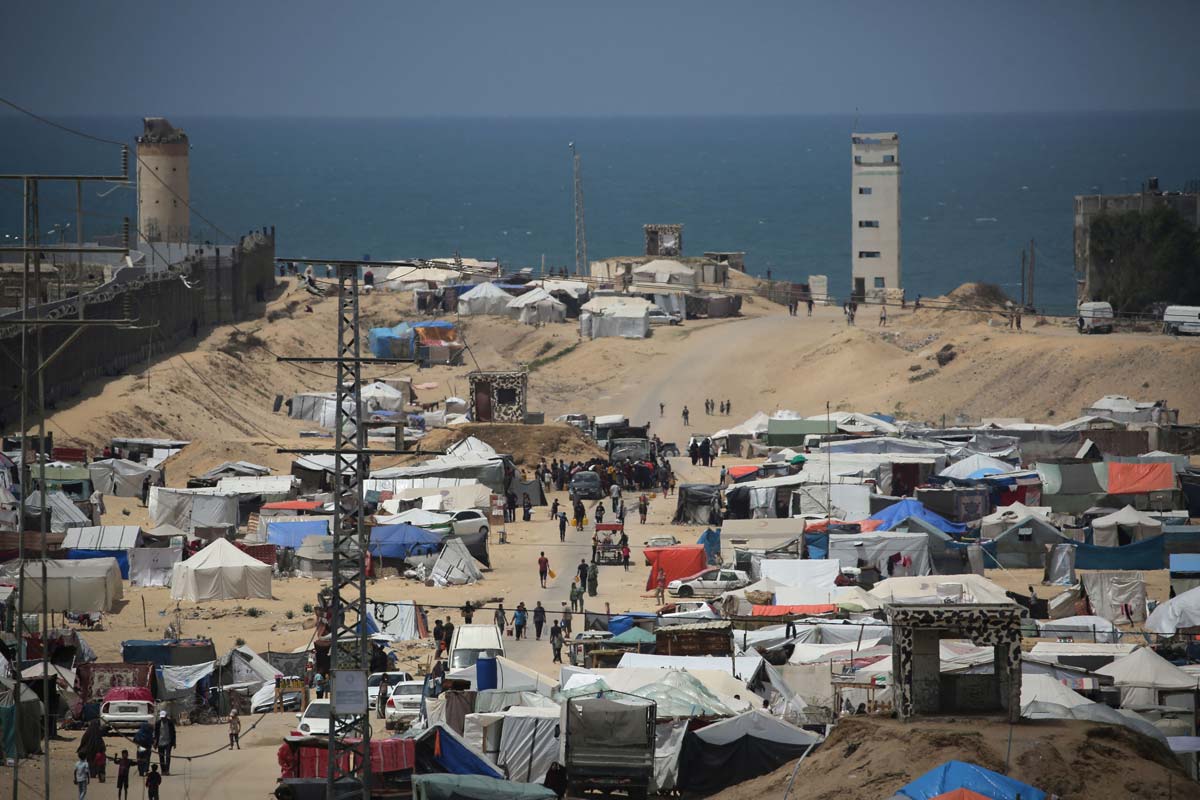
In a related development concerning the escalating crisis in Gaza, Egypt’s strong diplomatic pressure appears to have prompted Israel to retract its controversial proposal for establishing a “tent city” or “humanitarian city” near the Egyptian border. This plan, put forth by Israeli Prime Minister Benjamin Netanyahu, aimed to house an estimated 600,000 Gazans and was widely interpreted by Egypt as a preliminary step toward the forced displacement of Palestinians into Sinai. Cairo had reportedly threatened an “undiplomatic response” should Israel proceed with the plan. Following Egypt’s firm stance, the Israeli Defense Minister has since publicly stated his opposition to the idea, signaling a significant retreat from the initial proposal.
Stalled Negotiations and Looming Military Actions in Gaza
Meanwhile, negotiations in Doha aimed at de-escalating the conflict in Gaza remain in a deadlock. A primary impediment to progress is the inability of the Hamas delegation to establish consistent communication with its leadership within Gaza due to the intense and sustained conflict. Compounding the diplomatic impasse, Israel has presented updated maps asserting control over 20% of the Gaza Strip, a claim vehemently rejected by Hamas.
In the event that negotiations ultimately fail, the Israeli army has indicated an alternative military strategy. This plan involves an advance into Deir al-Balah, currently the sole area in Gaza untouched by significant Israeli ground operations. The strategy aims to besiege Deir al-Balah, isolating Hamas leaders and prisoners believed to be located there, without resorting to a full-scale ground invasion. Instead, the approach would rely on aerial bombardment to target any Hamas movements within the area.
Dire Humanitarian Crisis Deepens
The humanitarian situation in Gaza continues to be described as “horrific,” with widespread hunger and an increasing number of deaths attributed to starvation. Tragic reports include the death of four-year-old Palestinian child, Razan Abu Zaher, from starvation, while hospitals struggle to cope with hundreds of patients suffering from severe malnutrition. Alarmingly, an estimated 17,000 children are currently battling acute malnutrition in hospitals that are severely lacking in beds and essential medicines. Further compounding the crisis, reports indicate an incident where Israel bombed a humanitarian aid warehouse it had previously established, exacerbating the already dire conditions.
Netanyahu’s Controversial Actions Draw International Scrutiny
Prime Minister Netanyahu’s actions in the region have drawn considerable attention and concern internationally. A White House spokesperson revealed that President Donald Trump was reportedly “surprised” by Netanyahu’s recent military decisions in both Gaza and Syria. Specifically, Trump was reportedly upset following an Israeli bombing of a church in Gaza, an act Netanyahu later acknowledged as a “mistake.” Additionally, Netanyahu’s order for the bombing of the presidential palace and general staff headquarters in Syria also reportedly came as a surprise to Trump. Analysts suggest that Netanyahu may be acting “out of control” and strategically prolonging conflicts until August, coinciding with the Knesset’s recess, potentially to avert being ousted from power.
Adding to the escalating regional tensions, Netanyahu has reportedly issued threats to strike Pakistan’s nuclear program. This provocative statement has been met with strong condemnation from Pakistan, which has affirmed the robust protection of its nuclear facilities by a force of 10,000 soldiers. This perceived “bullying” behavior by Netanyahu is seen by some as potentially undermining Trump’s broader regional policies, including the Abraham Accords.
The video concludes by commending Egypt’s “intelligent” management of its relationship with the United States, particularly in its clear and non-negotiable articulation of positions on both the GERD and the potential displacement of Gazans.